

Hiking Essentials
Best Footwear and Joint Protection for Longer Hikes
Your feet carry you through every trail. Discover the right boots, insoles, and support strategies that keep you comfortable for hours on the path.
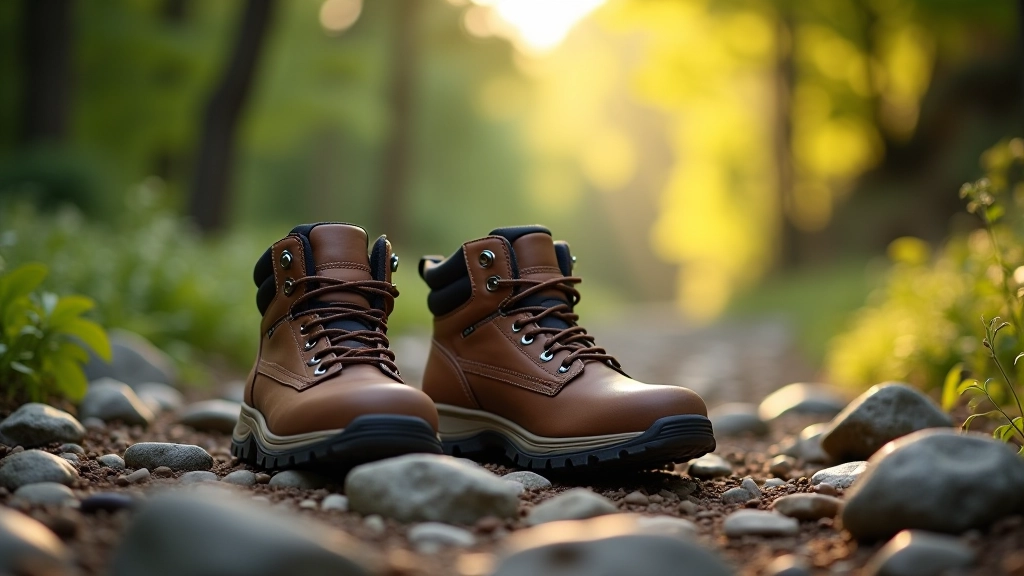
Why Your Boots Matter More Than You Think
Here's the thing — most people don't realize their feet control their entire hiking experience. The right boots aren't just about comfort. They're about stability, injury prevention, and the difference between enjoying a six-hour walk and limping home with blisters and aching knees.
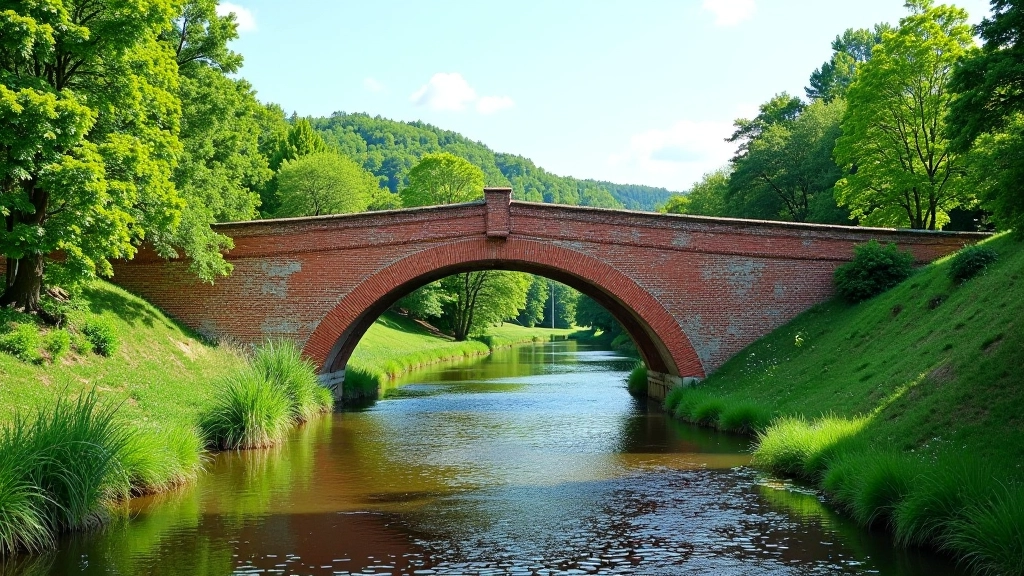
We've spent years working with hikers in the river valleys around Kuldīga and Venta, and we've noticed something clear: people who invest in proper footwear and joint protection actually hike more, explore further, and enjoy the trails without paying for it with pain the next day.
Proper Support
Good boots reduce strain on ankles, knees, and hips by up to 40%
Joint Protection
Proper cushioning absorbs impact and extends your hiking years
Confidence
You'll tackle challenging terrain without worrying about your feet
Choosing the Right Hiking Boots
Not all boots are created equal, and honestly, the most expensive pair isn't always the right one for you. What matters is finding boots that match your specific needs.
1
Know Your Foot Type
Do you overpronate (roll inward)? Underpronate (roll outward)? Or do you have a neutral gait? Most specialty outdoor stores can do a quick gait analysis for free. This single detail changes everything about which boots will actually feel good.
2
Consider Ankle Support Levels
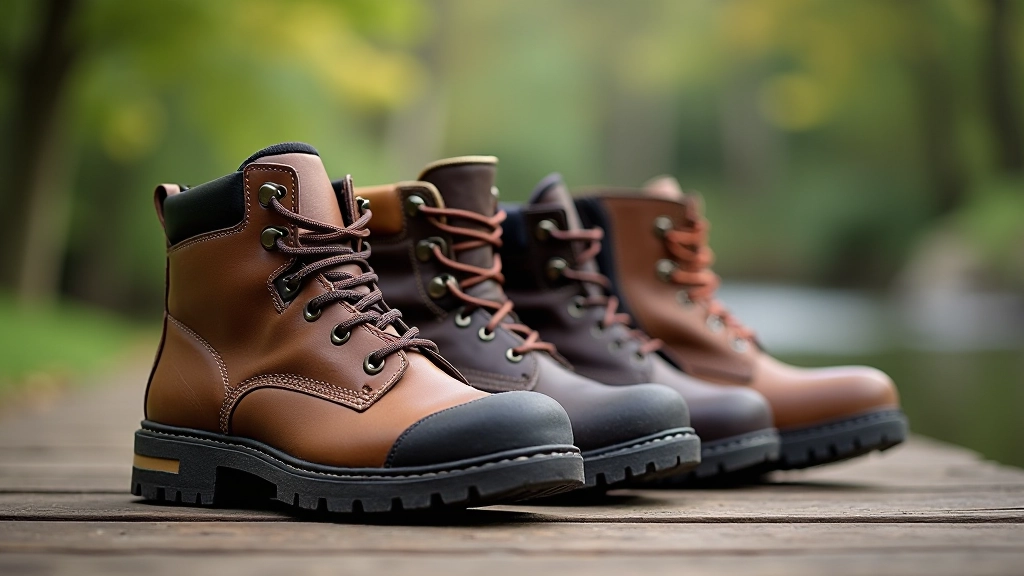
Hiking boots come in three main styles: low-cut (lightweight, for smooth trails), mid-cut (balanced support, most popular), and high-cut (maximum ankle stability, for rocky/uneven terrain). For river valley trails with variable footing, mid-cut boots hit the sweet spot for most hikers.
3
Test Before You Buy
Walk around the store for at least 15 minutes. Your feet shouldn't feel pinched anywhere, and there should be roughly a thumb's width of space between your longest toe and the boot's end. Break them in with short walks before committing to a full hike.
The Game-Changer: Quality Insoles and Cushioning
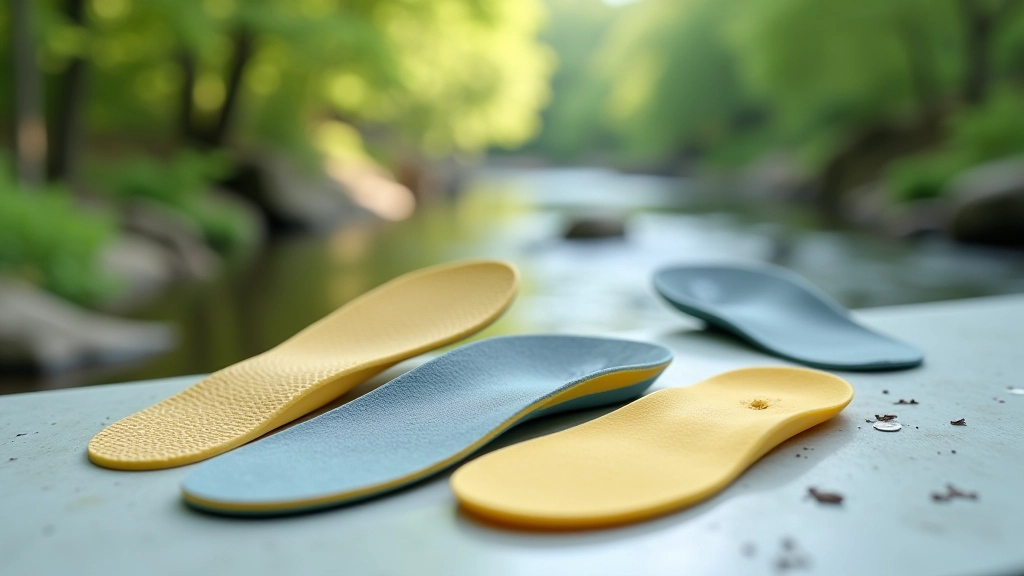
Here's what surprised us: most people wear the factory insoles that come with their boots. Those aren't bad, but they're generic. Your feet are unique. They deserve insoles built specifically for your arch, your gait, and your hiking style.
Custom Orthotics
Molded specifically for your feet by a podiatrist or specialist. Yes, they cost more (typically $200-400). But if you're hiking regularly, they'll prevent injuries and add years to your knees and hips.
Semi-Custom Insoles
Brands like Superfeet and Powerstep offer insoles that you can customize at home by heating them in the oven. They cost $40-80 and provide solid arch support without the specialist price tag.
Cushioning Pads
For hikers without arch issues, quality cushioning under the heel and ball of the foot makes a huge difference. Gel pads, foam inserts, and memory foam all reduce impact fatigue on long walks.
Explore Related Articles
Beyond Boots: Protecting Your Joints
Good boots are half the battle. The other half is protecting the joints themselves — your knees, hips, and ankles absorb enormous impact with every step downhill.
Trekking Poles Aren't Just for Show
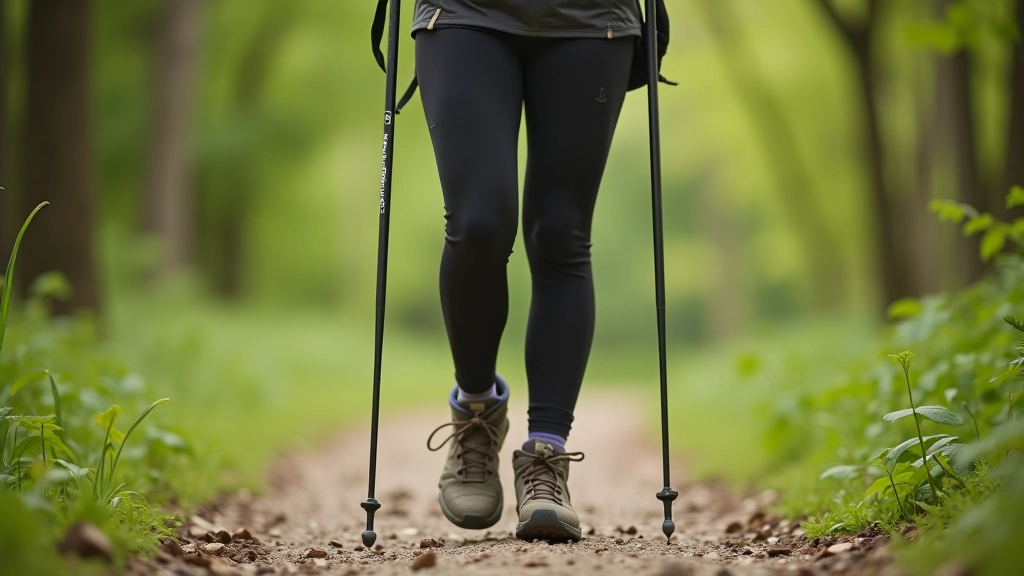
Using poles correctly reduces knee stress by up to 25% on downhill sections. They're not cheating — they're smart hiking. Plant them firmly with each step on descents and lean slightly into them. Your knees will thank you.
Compression Sleeves and Braces
Lightweight compression sleeves for knees or ankles provide proprioceptive feedback (your body's awareness of its position) and mild support without restricting movement. They're especially helpful if you've had previous injuries or feel instability on uneven terrain.
Pace and Rest Intervals Matter
This isn't weakness — it's wisdom. Taking a 5-minute rest every 45-60 minutes gives your joints time to recover and your muscles to reset. You'll actually hike further overall because you're not exhausted and damaged by the midpoint.
Important Information
This article provides educational information about hiking footwear and joint support. It's not medical advice. If you have existing joint issues, chronic pain, or are recovering from an injury, consult with a healthcare professional or physical therapist before starting a new hiking routine. Everyone's body is different, and what works for one person might not work for another. Pay attention to how your body responds and adjust your approach accordingly.
Start Your Hiking Journey Right
The river valleys around Kuldīga aren't going anywhere. Neither are your feet if you take care of them properly. Investing in quality boots, supportive insoles, and smart hiking practices means you're not just preparing for one hike — you're building a foundation for years of exploring.
Don't rush the boot-buying process. Don't skip the insole upgrade. Don't push through pain on a hike. These small decisions compound into the difference between someone who hikes occasionally and someone who genuinely loves exploring trails. The best hiking boot is the one that feels good on your feet — and that only comes from trying, testing, and listening to your body.