
Beginner Guide
Preparing for Your First River Valley Walk
Learn what gear you'll need, how to train your legs properly, and why pacing matters more than speed on these trails.
Why River Valley Trails Are Different
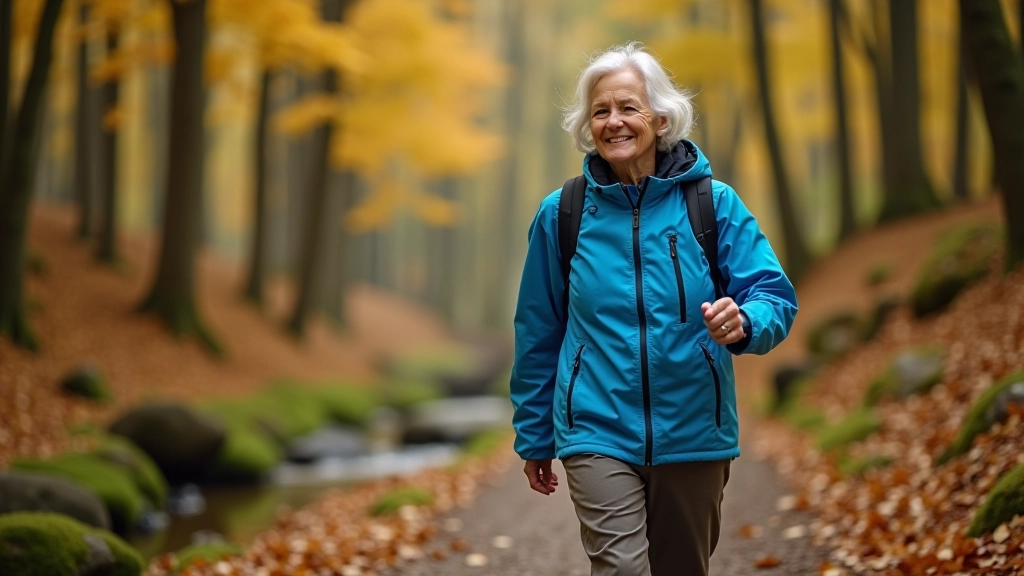
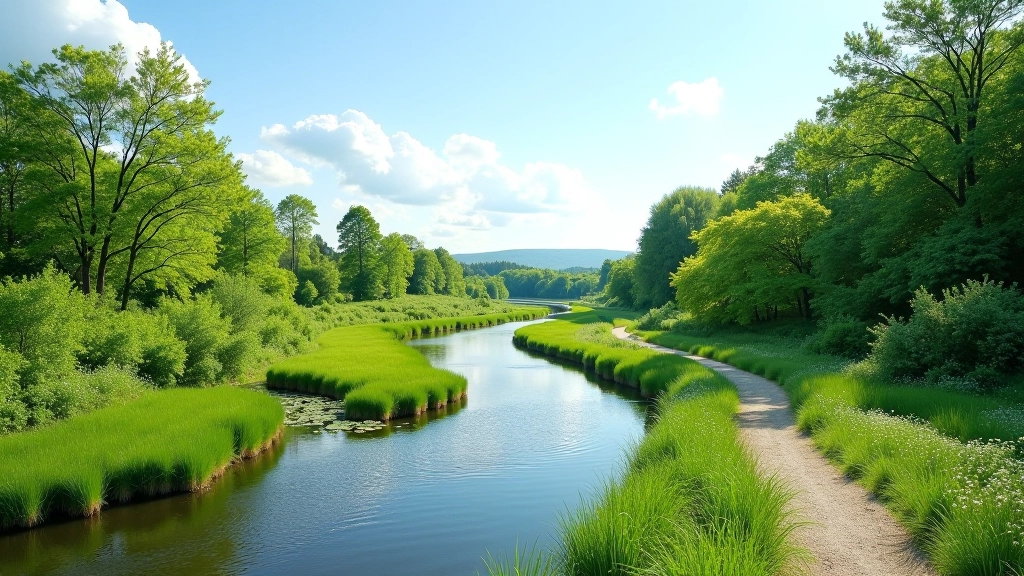
River valley walking isn't like hiking mountain peaks. The terrain's gentler, the views are more intimate, and honestly, the whole experience feels less about conquering something and more about enjoying it. That said, preparation still matters. We're talking proper footwear, understanding your body's limits, and knowing what to pack before you head out.
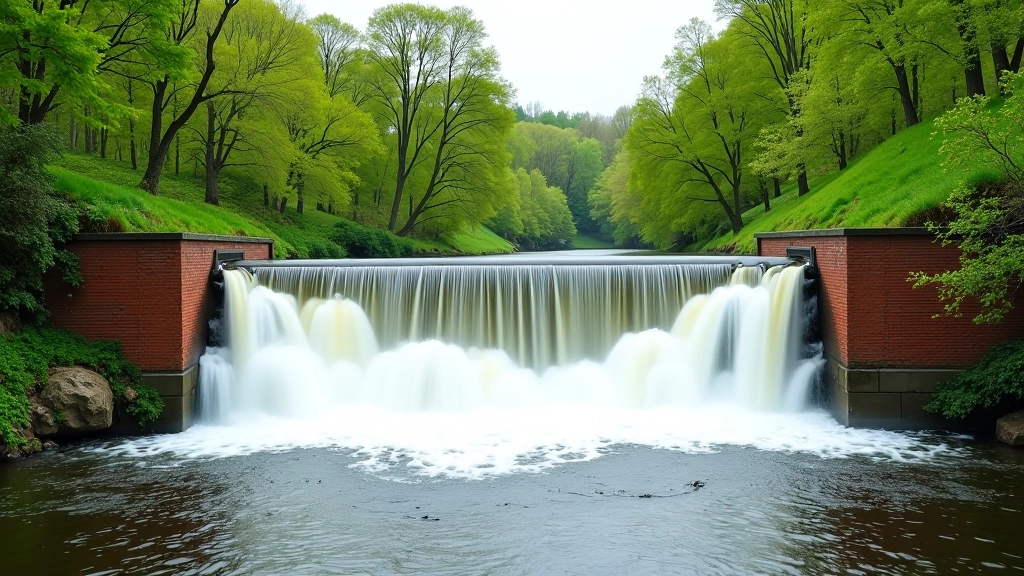
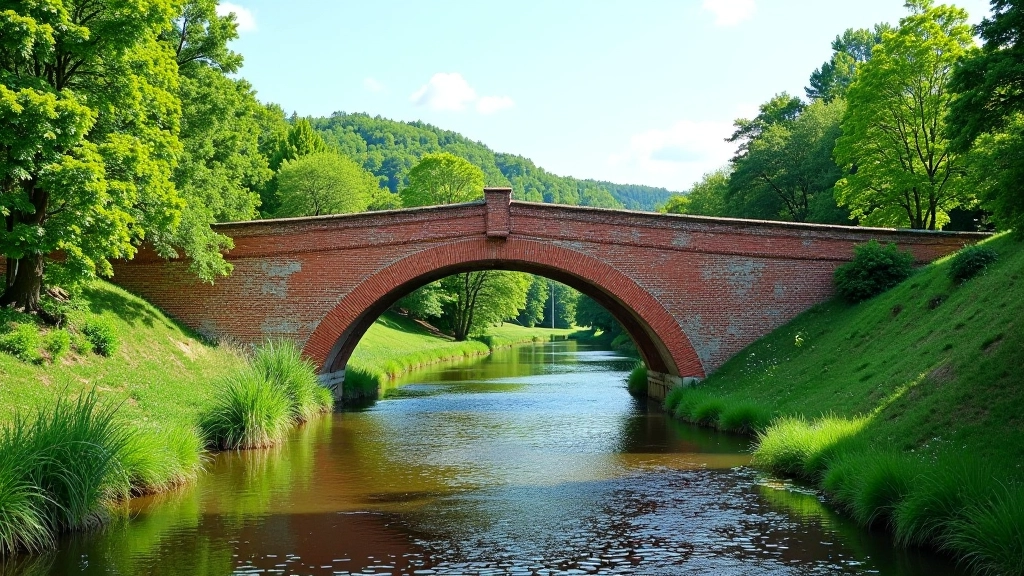
The Venta waterfall trail and Kuldīga's brick bridge area aren't extreme terrain, but they're real walks that'll test your endurance if you're not ready. Most people underestimate the distance and overestimate their fitness level — that's the biggest mistake we see.
Building Your Leg Strength
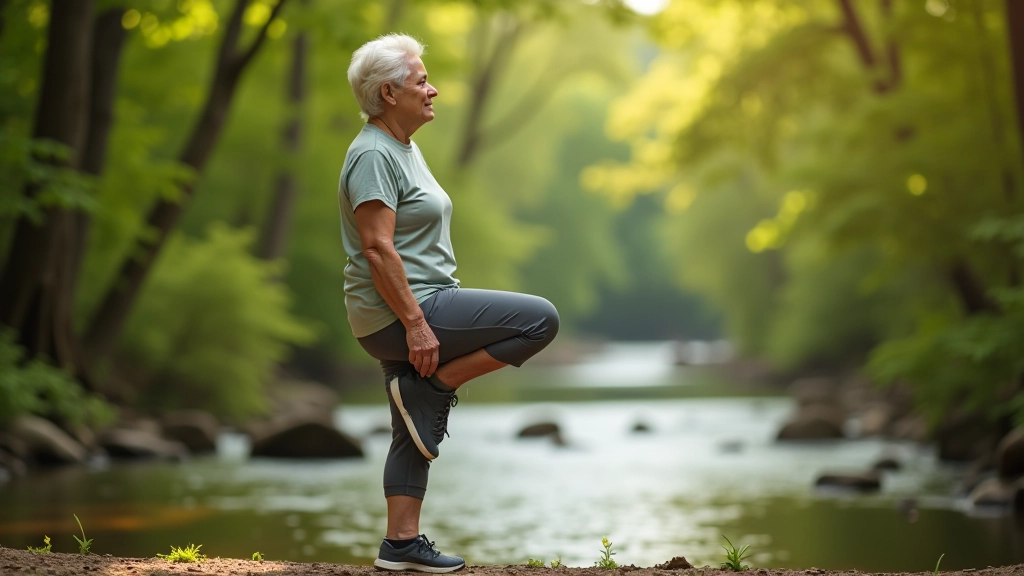
Your legs are everything on these walks. The terrain's uneven, there's elevation change, and you're doing it all at your own pace without stopping for rest every five minutes. That's different from casual neighborhood strolling.
Start with simple routines — nothing fancy. Walk 20-30 minutes daily for the first 2-3 weeks. Then add one longer walk per week, maybe 45 minutes to an hour. You're building endurance, not training for a marathon. Focus on consistency over intensity.
Key Training Milestones
- Weeks 1-2: Daily 20-minute walks on flat terrain
- Weeks 3-4: Add one 45-minute walk, introduce gentle slopes
- Weeks 5-6: One 60-minute walk per week, uneven ground
- Week 7+: Ready for your river valley trail
The Essential Gear List
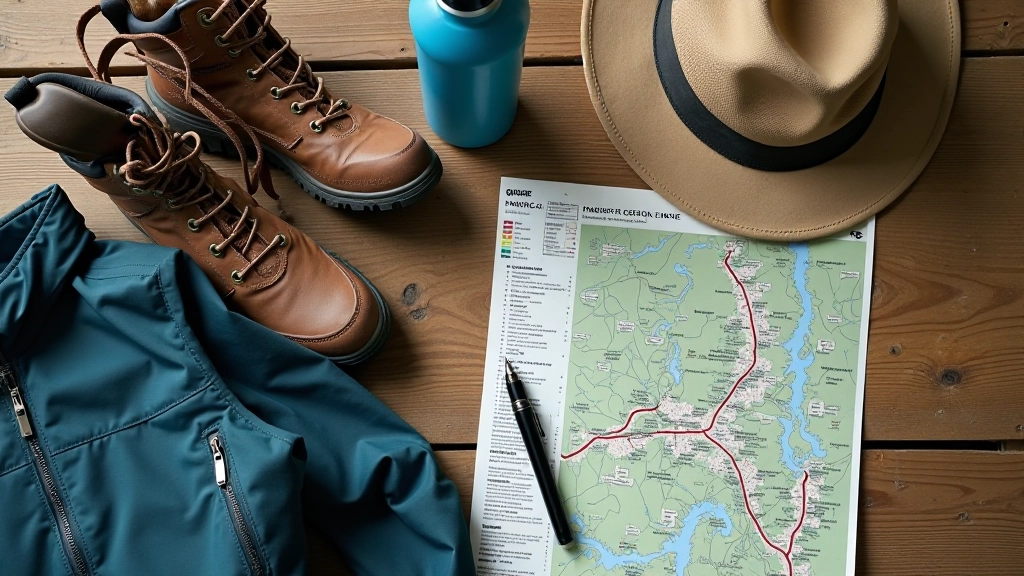
You don't need fancy equipment. You need reliable equipment. The difference is everything. We've seen people struggle with $200 boots that don't fit right and fly through trails in shoes that cost half that but work for their feet.
Footwear (Non-Negotiable)
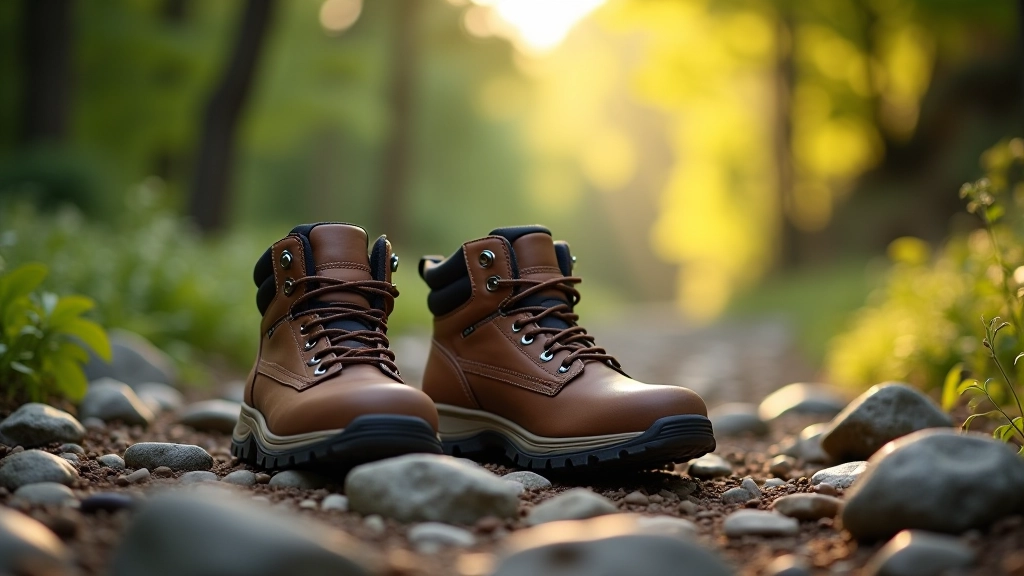
Good hiking boots or sturdy trail shoes with ankle support. Not running shoes, not sneakers. Something with grip and cushioning designed for uneven ground. Break them in before the actual walk — two or three shorter hikes minimum.
Hydration & Nutrition
Carry 1.5-2 liters of water depending on the season. A small backpack with some snacks — trail mix, fruit, energy bars. You're not doing a multi-day expedition. A light snack every 45 minutes keeps your energy steady.
Weather Protection
A lightweight rain jacket that packs small. A hat or cap for sun protection. Layers matter more than heavy jackets — you'll warm up quickly once you're walking. Start with more layers than you think you'll need.

Why Pacing Beats Speed Every Time
Here's what most people get wrong: they think walking faster means they're doing better. Actually, the opposite is true. A steady, comfortable pace that you can maintain for the entire walk is infinitely better than burning out halfway through.
Aim for a pace where you can still talk comfortably — not gasping for breath, not so slow that it feels pointless. For river valley trails, that's usually 2-3 kilometers per hour. It doesn't sound fast. It isn't. It's perfect. You'll actually enjoy the walk instead of just surviving it.
"The best pace is the one you can actually finish without regret. Stop watching your watch and start watching the river."
Important Disclaimer
This guide is educational and informational in nature. Every person's physical capability and fitness level is different. Before starting any new walking or exercise program, particularly if you have existing health conditions, joint concerns, or haven't been active recently, it's advisable to consult with your healthcare provider or a qualified fitness professional. The recommendations here are general guidelines — your individual circumstances may require different preparation or precautions.
River valley trails can be unpredictable. Weather changes, ground conditions vary, and unexpected obstacles happen. Always check local trail conditions before you go, bring proper equipment, tell someone where you're heading, and don't hesitate to turn back if something doesn't feel right.
You're Ready to Start
That's it. You don't need anything else — no expensive gear, no extreme fitness level, no special talent. You need good shoes, some water, realistic expectations about pacing, and a willingness to enjoy the walk for what it is. Seven weeks of preparation, a solid pair of boots, and you're ready for your first river valley walk.
The Venta waterfall will be there waiting. Kuldīga's brick bridge isn't going anywhere. Start where you are. Walk at your pace. That's how you discover why these trails matter.